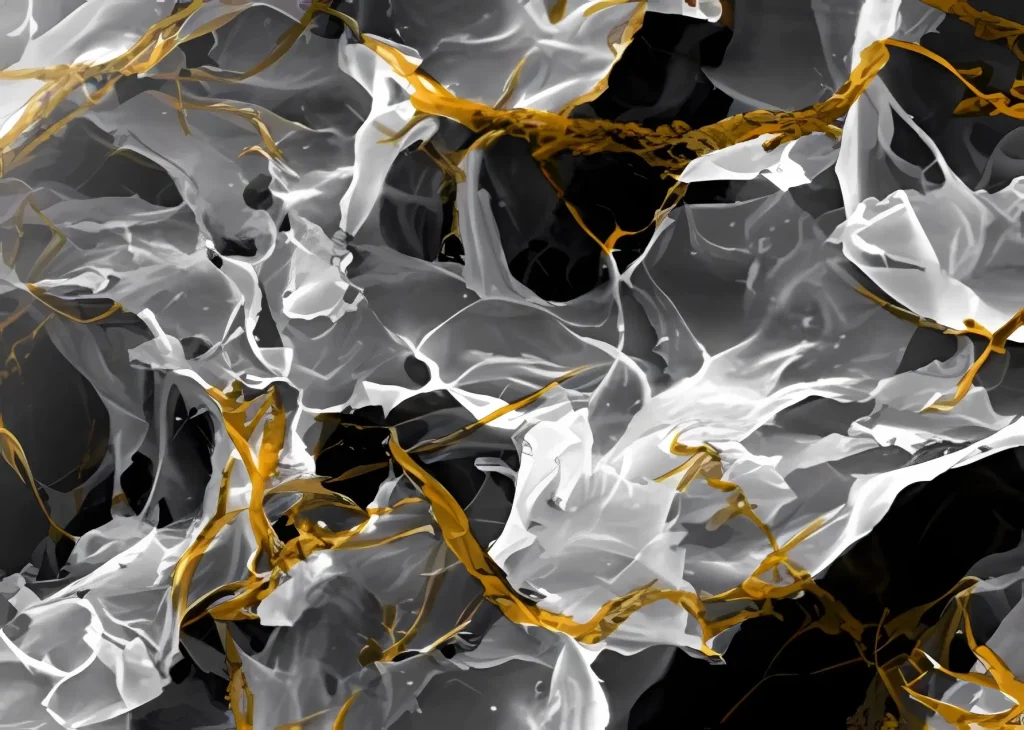
In the cosmetic and dermocosmetic industries, 3D reconstructed skin models have long replaced traditional animal testing, establishing a gold standard for safety and efficacy evaluations.
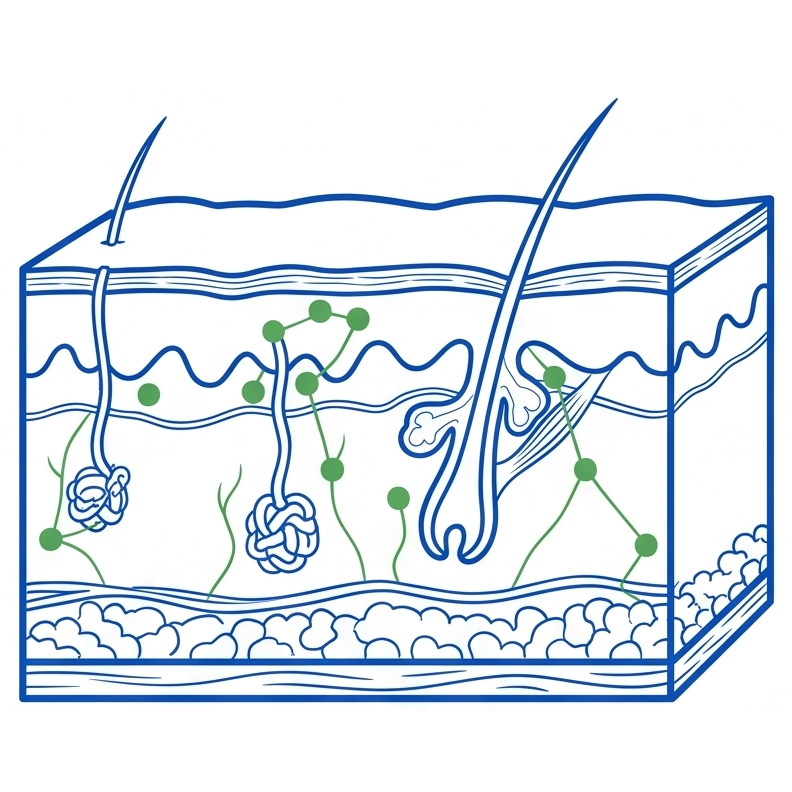
However, as highlighted in market analyses by consulting firm Alcimed (“Organoids for drug development: 3 strategic considerations for your preclinical pipeline”, 2026), the next frontier for 3D skin models lies in capturing tissue diversity and complex microenvironmental signals.
Today, a major blind spot remains in active ingredient screening: matrix mechanobiology.
Most 3D reconstructed skin models utilize static, generic substrates that fail to replicate the mechanical evolution of aging skin. Yet, biomechanics directly dictate cellular behavior:
- Young dermal tissue exhibits high elasticity and low stiffness (~100 to 500 Pa).
- Mature or photo-aged skin undergoes cross-linking, glycation, and matrix stiffening, reaching rigidities up to 20 kPa.
Testing an anti-aging or firming active on a single, non-tunable 3D skin model provides only a partial picture of its true biological efficacy.
The HAphy physioscaffold: biomimetic precision for dermocosmetics
To evaluate active ingredients under physiologically relevant conditions, R&D teams require a matrix that mimics both the chemical identity and the mechanical dynamics of human skin.
This is where Organisyl’s Physioscaffold technology redefines 3D skin modeling.
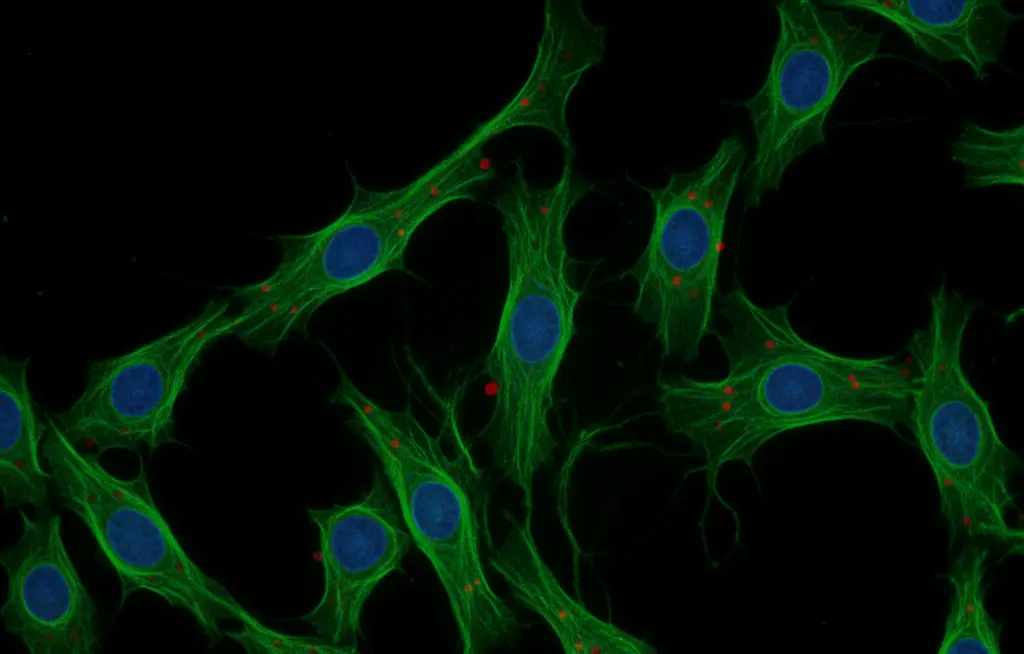
Built upon grafted hyaluronic acid (HAphy)—the native structural glycosaminoglycan of human dermis—the Physioscaffold provides a fully synthetic, chemically defined extracellular matrix tailored for high-performance skin reconstruction:
- Tunable stiffness (100 Pa to 20 kPa): Formulators can precisely dial in matrix stiffness to recreate “Young Skin” versus “Mature Skin” mechanical microenvironments, unlocking true age-specific efficacy screening for anti-aging molecules.
- Physiological cell-matrix signaling: By combining a native hyaluronic acid backbone with custom mechanical cues, cells within the 3D reconstructed epidermis display authentic dermal-epidermal junction signaling and biomarker expression.
- Reproducibility for marketing claims: Unlike batch-variable biological extracts, the 100% defined HAphy matrix ensures zero lot-to-lot variation, generating robust, multi-color imaging data to back regulatory dossiers and premium consumer claims.
Unlocking the next generation of active ingredient evaluation
As consumer expectations for proven, science-backed dermocosmetics reach an all-time high, testing platforms must evolve beyond basic 3D skin models.
Integrating matrix mechanobiology into your early-stage active screening allows cosmetic labs to:
- Validate anti-aging mechanisms in age-matched mechanical microenvironments.
- Differentiate ingredient performance with high-content visual evidence.
- Accelerate time-to-market with scalable, multi-well 3D assays.
Ready to Elevate Your 3D Skin Modeling?
Are your current 3D skin assays capturing the true biomechanics of skin aging? => [Schedule a Technical Consultation with Our Bioengineering Team].